
The Best Reasons for Mobile Tinting Your Car
- jai ramah
- Aug 9
- 6 min read

A car that bakes on the driveway all afternoon is more than an annoyance. It can mean hot seats, glare through the glass and an interior that gradually loses its original finish. The best reasons for mobile tinting come down to solving those everyday frustrations without adding another journey to your schedule. A professional installer comes to your home, workplace or chosen location, transforming the look and feel of your vehicle where it is already parked.
For drivers across the West Midlands and North West, that combination of premium appearance and practical comfort makes window tinting one of the most satisfying upgrades available. It is not simply about darker glass. The right film, correctly fitted, changes how your car looks, how it feels on bright days and how private the cabin is when you leave it parked.
The Best Reasons for Mobile Tinting
You get a sharper, more considered finish
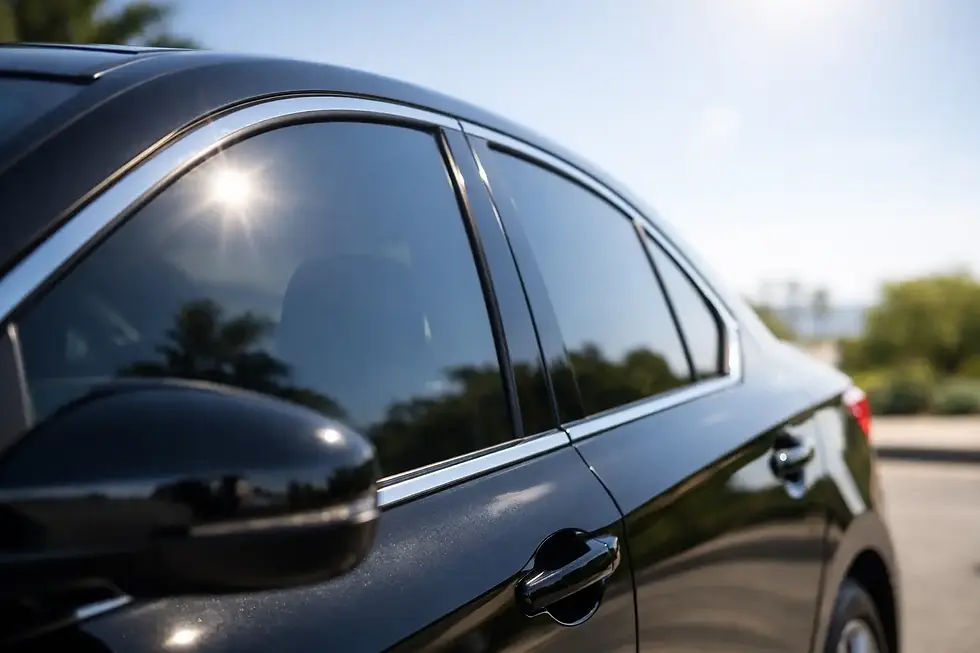
Window tinting has an immediate visual effect. It gives the glass a cleaner, more uniform appearance and can make everything from a daily hatchback to a high-spec saloon look more composed. On vehicles with chrome detailing, dark wheels or black styling packs, the right shade of tint can bring the whole design together.
The key is balance. Very dark glass is not automatically the best choice for every car or every driver. A lighter rear tint can still add a premium edge while keeping the cabin feeling open, whereas a darker option may suit drivers who value privacy or want a more dramatic look. A professional will help you choose a finish that complements the vehicle rather than overwhelms it.
A cooler cabin makes every journey easier
Anyone who has opened a car door after it has sat in direct sunshine knows how quickly heat builds behind untreated glass. Quality automotive window film helps reduce solar heat entering the cabin, making the vehicle more comfortable when you first get in and reducing the strain on the air conditioning.
That matters on school runs, commutes, long motorway journeys and days when the car is parked outside your workplace. A cooler rear cabin can also be particularly welcome for children and passengers. Tinting will not turn a parked car into a fridge, and the result depends on the film chosen, vehicle size and amount of glass, but it can make a noticeable difference to how quickly the interior becomes uncomfortable.
UV protection looks after you and your interior
Sunlight does more than raise the temperature. Ultraviolet exposure can fade upholstery, dry out leather and gradually dull dashboard materials. Premium window film helps filter UV rays, providing another layer of protection for the surfaces you have paid to keep looking their best.
For owners planning to keep a vehicle for years, this is a practical long-term benefit. It is also valuable for leased and company cars, where presenting a clean, well-kept interior at the end of an agreement matters. The protection is working quietly every time the car is parked or driven in daylight, without changing your routine.
More privacy without closing off the car
A tinted rear cabin makes it harder for passers-by to see straight into the vehicle. That added discretion is useful when shopping bags, work equipment, a child seat or other everyday belongings are left inside. It does not make valuables safe to leave on display, and it should never replace sensible security habits, but it can reduce the feeling that your car is on show.
Privacy also changes the passenger experience. Rear-seat passengers often feel less exposed in traffic, car parks and busy town centres. For families, executives and drivers who spend a lot of time on the road, that small improvement can make the cabin feel more refined and personal.
Less glare can improve everyday comfort
Low sun is one of the most tiring parts of driving, particularly during early starts and evening journeys. While legal limitations apply to the front windows, rear window tinting can reduce glare for passengers and soften harsh light entering from behind or the side.
The benefit is especially noticeable on long drives, when bright conditions can make screens, mirrors and rear-seat travel less comfortable. Tinting should support safe driving, never compromise it. That is why the shade selection and the legal position of each window must be considered before installation begins.
Why mobile installation is the upgrade that fits your day
The film itself delivers the visual and functional benefits, but mobile service changes the experience of getting it fitted. Rather than booking time off, arranging lifts or spending a Saturday in a waiting area, you can have professional installation carried out at a location that works around you.
For a busy professional, that may mean the office car park while you are at work. For a parent, it may mean the driveway during a quieter part of the day. For a company car user, it can be arranged around a practical handover point. You keep control of your time while your vehicle receives the attention it needs.
This convenience should not mean compromising on quality. A proper mobile installation still requires careful preparation, clean glass, precise cutting and patient application. Premium films such as Global Film are designed to provide a polished finish and reliable performance, but even the best material relies on the standard of fitting. Dust, rushed preparation and poor technique are what create the bubbles, lifted edges and inconsistent appearance people rightly want to avoid.
There is one sensible caveat. Mobile tinting needs suitable conditions. Heavy rain, strong wind, limited access or a poorly sheltered location can affect the installation environment. A quality-led installer will assess the space and, where necessary, arrange a more suitable time or location instead of forcing a job through. That attention to detail protects the finish you are paying for.
Legal tinting in the UK: style should stay compliant
A premium result must also be road legal. In the UK, the windscreen must allow at least 75% of light through, while the front side windows must allow at least 70%. Most vehicles already have some factory tint in the glass, so adding film to front windows can easily take them beyond the legal limit.
For that reason, rear window tinting is often the preferred route for drivers who want privacy, heat reduction and a stronger visual transformation. Rear windows have different allowances, but the right specification still depends on the vehicle and its mirrors. A professional approach means discussing your options clearly rather than promising a look that could cause problems at an MOT, roadside check or insurance claim.
If you are unsure whether your current glass has factory tint, ask before choosing a shade. The best outcome is a car that looks exceptional and remains suitable for everyday road use.
What separates a premium tint from a quick fix
A window tint should look like it belongs on the vehicle. From a short distance, the film should appear even, smooth and carefully finished around the edges. The installation should not distract from the car's lines with creases, visible contamination or rough trimming.
Film quality matters over time as much as it does on day one. Cheaper films can discolour, fade or lose adhesion, turning an intended upgrade into an expensive correction. Choosing recognised premium film and an installer who stands behind their workmanship is the more confident route. A lifetime warranty provides reassurance that the finish is intended to last, not merely look good for a season.
It is also worth allowing the film time to cure. Small water marks or a slightly hazy appearance can be normal immediately after installation as moisture dries out. Avoid winding treated windows down until you have been advised it is safe to do so, and clean the glass with suitable non-abrasive products thereafter. These simple aftercare steps help preserve a crisp finish.
Is mobile tinting right for your vehicle?
Mobile tinting suits most car owners who want a professional upgrade without wasting a day travelling to a workshop. It is particularly worthwhile if your vehicle spends time outside, carries passengers regularly or simply deserves a more distinctive, luxury-led appearance.
The right choice depends on your priorities. If privacy is the focus, a darker rear tint may be ideal. If you want subtle styling and improved rear-cabin comfort, a medium shade may offer the better balance. If your front windows are involved, legality needs to lead the conversation. There is no one tint that suits every car, which is why tailored advice is part of a premium service.
LuxTint brings professional window tinting directly to drivers who value their time as much as their vehicle. Choose a shade that fits your car, arrange a suitable location and let the transformation happen without putting your day on hold.


Comments