
Tint Film vs Privacy Glass: What Should You Choose?
- jai ramah
- 11 minutes ago
- 6 min read

Factory privacy glass can make a new car look sharper from the showroom, but it is not always the same thing as a premium tint. When comparing tint film vs privacy glass, the real difference comes down to more than shade. Heat, UV protection, flexibility, finish and UK legality all affect which option gives your car the result you want.
Tint film vs privacy glass: the key difference
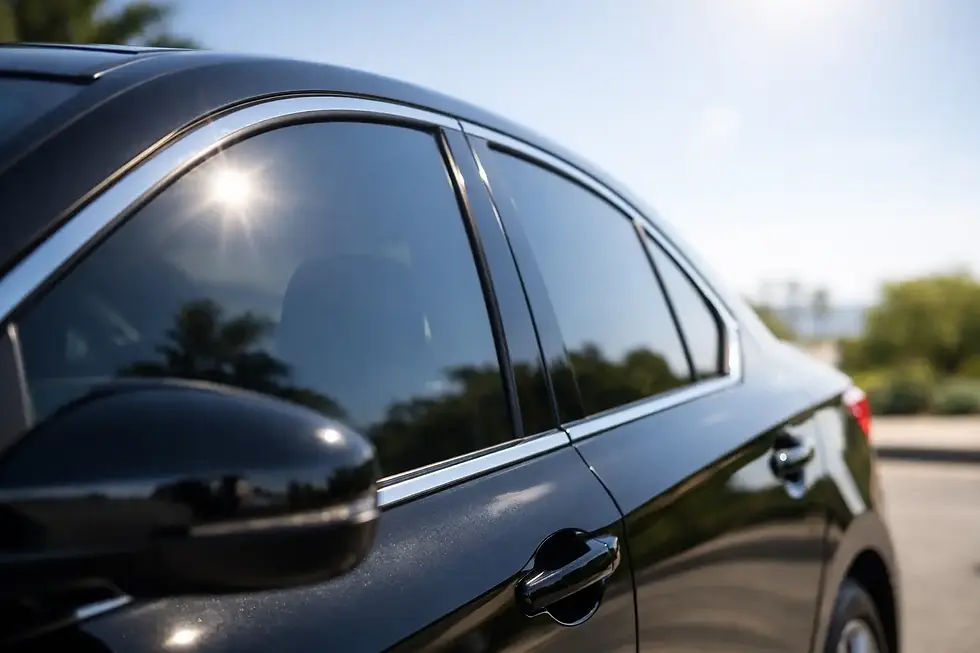
Privacy glass is glass that has been darkened during manufacture. It is usually fitted to the rear windows and rear screen, often as part of a factory styling package. Because the colour is within the glass itself, it cannot be peeled away or changed without replacing the glass.
Tint film is a specialist film applied to the inside surface of existing vehicle glass. It is available in a range of shades and performance levels, allowing you to tailor the look and practical benefits of your car. A professional installation can transform clear factory glass into a more private, more refined finish while adding solar control properties that basic privacy glass may not provide.
Both can look excellent. The better choice depends on whether you are happy with the factory finish or want a more considered upgrade.
What privacy glass does well
Privacy glass offers a clean, factory-built appearance. For drivers who simply want rear passengers and belongings to be less visible, it provides a subtle level of privacy without changing the vehicle after purchase. It also requires no installation appointment and no ongoing consideration once the car has left the dealership.
However, factory privacy glass varies significantly between makes and models. Some is only lightly smoked, meaning it may not offer the level of privacy, glare reduction or heat rejection you expected. Its primary purpose is often appearance and rear privacy, rather than maximum solar performance.
What tint film adds
Premium tint film gives you choice. You can select a shade that complements the colour, trim and character of your vehicle, from a light executive finish to a deeper privacy look. The right film can also help reduce solar heat, soften glare and block up to 99% of harmful UV rays, helping to protect both passengers and interior surfaces.
This matters on daily journeys, school runs, motorway miles and summer traffic. A car that is left in direct sunlight can quickly become uncomfortable. Quality film helps reduce the intensity of solar energy entering through the glass, so the cabin feels less exposed when you return.
Appearance: factory subtle or tailored luxury?
Privacy glass is ideal if you like the shade already fitted and want to keep your car completely standard. It has the benefit of looking original because it is original. On many SUVs, estates and premium saloons, it gives the rear of the vehicle a smart, composed finish straight from the factory.
Tint film is the stronger option when you want the car to feel more personal. It can create a balanced, uniform finish across the rear glass, particularly on vehicles where factory privacy glass is too light. It also gives you the freedom to choose a shade that works with black styling packs, gloss trim, alloy wheels or a darker paint colour.
The finish depends on installation quality. Poorly fitted film can show contamination, lifting edges or uneven lines. Professionally installed premium film should sit cleanly against the glass, with precise shaping around curved rear screens and a finish that looks purpose-built rather than added as an afterthought.
Heat rejection and UV protection
This is where the difference between tint film and privacy glass becomes more noticeable. Darker glass does not automatically mean better heat rejection. Factory privacy glass can reduce some light and solar energy, but its performance depends entirely on the glass specification chosen by the manufacturer.
Premium films are designed with specific performance goals. Depending on the product, they can reject a meaningful amount of solar heat while filtering UV rays and reducing glare. Higher-performance films can be particularly worthwhile for drivers who park outside, carry children or pets, or want to preserve leather, plastics and upholstery from prolonged sun exposure.
A darker shade can improve privacy, but shade is only one part of the equation. A quality film should be chosen for its measured performance as well as its appearance. This is why recognised premium film is a better investment than a cheap, unbranded alternative that may fade, discolour or offer limited heat control over time.
Can you tint privacy glass?
Yes. If your factory privacy glass is too light, tint film can be installed over it to create a deeper finish and improve solar performance. This is a popular choice for drivers who like the factory look but want greater rear privacy, especially in larger family cars, vans and SUVs.
There is a trade-off. Applying film to already tinted glass multiplies the darkness, so the final result can be much deeper than expected. That may be perfect for rear passenger comfort and concealment of luggage, but it should be selected carefully to maintain sensible visibility when reversing or driving on unlit roads.
A professional installer will assess the existing glass and discuss the result you want before recommending a suitable film. The aim is not simply to make every window as dark as possible. It is to create a premium finish that suits how, where and when you use your vehicle.
UK tint law: where drivers need to be careful
UK window tint rules are most restrictive at the front of the vehicle. The front windscreen must allow at least 75% of light through, while front side windows must allow at least 70% of light through. Most modern vehicles already have some light reduction in the glass, so adding film to the front windows can easily take them below the legal limit.
Rear windows and the rear screen have more flexibility, which is why privacy glass and darker tint film are normally focused on the rear of the car. Even then, visibility should remain practical for your driving conditions, and suitable mirrors must provide a clear view behind the vehicle.
Do not assume a light-looking front tint is legal. The visible appearance of glass does not tell you its exact light transmission. A reputable installer should put legality first and help you choose an option that protects the look of your car and your peace of mind.
Which option offers better value?
If privacy glass is included in the specification of a car you are already buying, it can be a convenient choice. There is no separate fitting process, and it adds a degree of rear privacy from day one. It may be enough for drivers who are satisfied with a standard shade and have no particular need for extra heat reduction.
Tint film offers more value when you want control. You can upgrade a car without replacing glass, choose the shade that suits your style and benefit from technology designed to improve comfort and UV protection. It is also a practical route for used vehicles, company cars and vehicles that did not leave the factory with privacy glass.
The lowest price is rarely the best measure of value. Film quality, careful preparation, expert fitting and a meaningful warranty all determine how the result looks and performs years later. A premium installation should enhance your vehicle, not become another job to fix when bubbling, fading or edge lift appears.
Choosing the right finish for your car
Choose privacy glass if you are happy with a fixed factory shade, want an untouched standard specification and only need a modest level of rear privacy. Choose tint film if you want a tailored appearance, stronger solar control or the ability to improve on the privacy glass you already have.
For most drivers, the best result is based on the car and the lifestyle around it. A family SUV used for holidays and school runs may benefit from enhanced rear comfort and privacy. A company car may suit a light, executive rear tint that keeps the cabin refined without looking overdone. A performance hatchback with dark exterior detailing may call for a deeper rear finish that completes the transformation.
A considered tint should make every journey feel more comfortable and every glance back at your car more satisfying. LuxTint brings premium, professionally fitted window tinting to your home or workplace, so you can choose a finish that works for your vehicle without giving up time from your day.


Comments