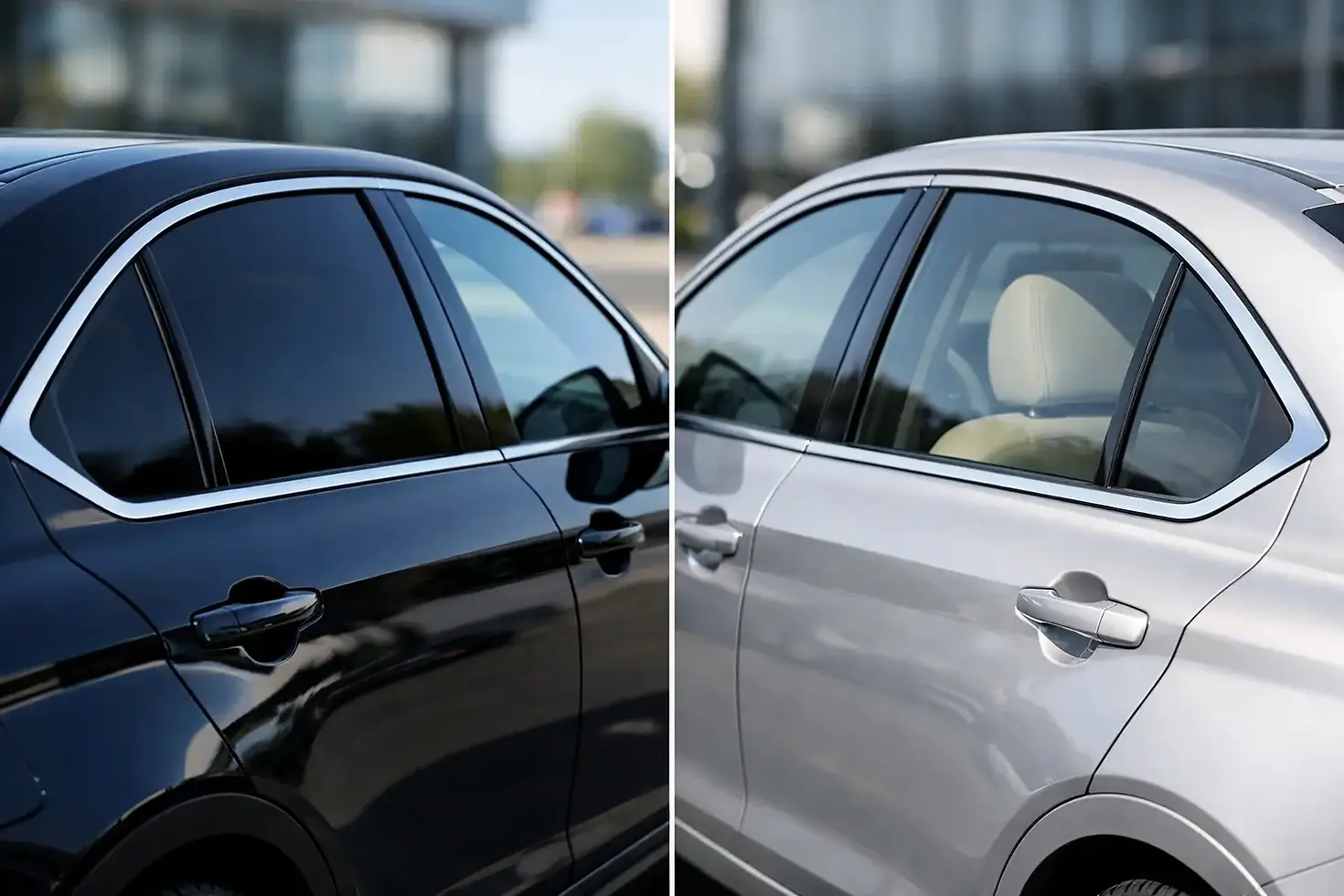
Premium Tint vs Standard Tint for Cars
- jai ramah
- Jun 14
- 6 min read

You notice it most on a warm afternoon. Two cars are parked side by side, both tinted, but one still feels like a greenhouse when the door opens while the other stays noticeably calmer, cooler and more refined. That is the real difference in premium tint vs standard tint. On paper they can look similar. On the road, and over time, they rarely are.
If you are investing in window tint for your car, the choice is not just about making the glass look darker. It is about how the film performs in heat, how clean the finish looks, how long it lasts, and whether it still feels like a smart decision a few years from now. For drivers who care about comfort, appearance and convenience, that difference matters.
Premium tint vs standard tint: what changes?
The simplest way to look at it is this: standard tint usually focuses on appearance first, while premium tint is built to deliver appearance and performance together.
A standard film can give your car a darker, sleeker look and a basic level of privacy. For some motorists, that is enough. If the main goal is cosmetic and the vehicle is not something you plan to keep for long, a standard option may tick the box.
Premium tint goes further. The film itself is typically more advanced, designed to reject more heat, reduce UV exposure more effectively and hold its finish for longer without turning purple, bubbling or fading. It is the difference between something that looks good on day one and something that continues to perform through daily use, summer sun and years of driving.
That does not mean every driver needs the most expensive film available. It means the better option depends on what you expect from the result.
Heat rejection is where premium film earns its keep
For most car owners, heat is the first thing they feel. A darker shade does not automatically mean better heat control. That is where many people get caught out.
Standard dyed films can reduce glare and improve the look of the car, but they often do less to stop solar heat entering the cabin. The glass may appear tinted, yet the seats, steering wheel and dashboard can still absorb significant heat. If you use your car for commuting, school runs or work travel, that can become frustrating very quickly.
Premium films are usually engineered with stronger heat-rejecting properties. Depending on the film type, they can block a much higher portion of infrared heat, which is what makes the cabin feel oppressive in direct sun. In practice, that can mean a more comfortable interior, less reliance on air conditioning and a better driving experience on warmer days.
In the UK, drivers sometimes assume heat rejection matters less because we do not have a Mediterranean climate. But anyone who has returned to a parked car during a July heatwave knows that trapped heat is still a real issue here. Even on milder days, reducing cabin temperature makes the car feel more comfortable and protects the interior.
Appearance is not just about darkness
A good tint should look factory-finished, not obviously added later. That is another key part of premium tint vs standard tint.
With lower-grade films, the finish can sometimes appear flatter, hazier or less consistent across the glass. Over time, colour changes can make the tint look dated rather than refined. Purple tones, edge lifting and small defects become more noticeable, especially on a well-kept vehicle.
Premium film tends to offer a cleaner, richer finish. The shade looks more even, the clarity from inside the vehicle is better, and the overall effect is closer to the high-end appearance people are usually aiming for. It enhances the lines of the car rather than simply darkening the windows.
That matters whether you drive a prestige model, a company car or a family vehicle you simply want to keep looking sharp. A quality tint can transform the whole profile of the car. A poor one can cheapen it.
UV protection and interior preservation
Window tint is not only for style and privacy. It also plays a practical role in protecting what is inside the vehicle.
Standard tint may provide some UV reduction, but premium films generally offer far stronger protection against harmful ultraviolet rays. That helps preserve leather, fabrics, trim and dashboard surfaces by reducing fading and premature wear.
If your car spends long periods parked outside at home or at work, this becomes more relevant. Sun exposure slowly takes its toll, even in Britain. A premium film helps protect the cabin you sit in every day and supports the long-term condition of the vehicle.
For drivers planning to keep their car for several years, that extra protection is not a small detail. It is part of the value.
Premium tint vs standard tint on durability
The true cost of tint is not only the price paid on installation day. It is also whether you need to fix, replace or live with a poor result later.
Standard film can be a reasonable short-term solution, but it is usually more vulnerable to ageing. Common issues include discolouration, bubbling, adhesive failure and a drop in optical clarity. Once those problems start, the car can quickly lose that clean, finished look.
Premium tint is generally more stable over time. Better materials and manufacturing standards mean the film is designed to withstand daily temperature changes, sunlight and wear without deteriorating as quickly. When paired with skilled installation, it gives a far more dependable finish.
This is one reason premium tint often comes with stronger warranty support. That reassurance reflects confidence in the product, not just a sales line. If you care about long-term ownership or resale presentation, durability should carry weight in your decision.
The price question - is premium tint worth it?
It is fair to ask whether premium tint just means paying more for branding. Sometimes in the automotive world, that does happen. But with window film, there is usually a genuine difference in materials and performance.
If your main priority is spending as little as possible and getting a darker look, standard tint may suit you. It can improve appearance and privacy at a lower upfront cost.
If you want better cabin comfort, stronger UV protection, a more refined finish and a tint that still looks right years later, premium film often works out better value. You pay more once, but you are less likely to feel disappointed by the result or need replacement work down the line.
For many busy drivers, especially those who use their vehicle every day, the better question is not whether premium tint costs more. It is whether the improvement in comfort, finish and longevity is worth the difference. In many cases, it is.
Who should choose standard tint?
Standard tint can still be the right fit in certain situations. If you are working to a tighter budget, preparing a vehicle for short-term use, or mainly want the visual effect of tinted windows, a standard film may be enough.
It can also suit older vehicles where the goal is a tidy cosmetic upgrade rather than maximum performance. There is nothing wrong with choosing a simpler option if your expectations are realistic.
The key is to understand that standard tint is usually more limited. If you expect strong heat rejection, lasting clarity and a luxury finish from an entry-level film, you may end up underwhelmed.
Who should choose premium tint?
Premium tint makes sense for drivers who want the full benefit of window film, not just the look. That includes professionals who spend a lot of time on the road, families wanting a cooler rear cabin for children, and image-conscious owners who want their car to look polished without compromise.
It is also the better choice for newer vehicles, higher-value cars and leased or financed cars where keeping the interior and overall appearance in top condition matters. When convenience, finish and long-term quality are priorities, premium film is usually the smarter investment.
For customers who want the job done properly without wasting time travelling to a workshop, a mobile service using recognised premium film makes the whole experience feel more aligned with the result.
Installation matters as much as the film
Even the best film can look poor if it is badly fitted. Dust contamination, uneven edges, trapped moisture and careless cutting can spoil the finish, regardless of price point.
That is why the comparison between premium tint vs standard tint should never be reduced to film alone. Installation quality matters just as much. A premium product deserves precise fitting, proper preparation and an installer who understands the difference between simply applying film and delivering a clean, lasting result.
When those elements come together, the car does not just look tinted. It looks upgraded.
The right choice depends on what you want from your car
There is no need to overcomplicate it. If you want a basic visual change at the lowest possible cost, standard tint has its place. If you want your car to feel cooler, look sharper and stay protected for the long term, premium tint is in a different category.
For most drivers who value their time, their comfort and the appearance of their vehicle, premium tint tends to justify itself every time the sun hits the glass. And when the service comes to your door, the upgrade feels even easier to get right.
A good tint should do more than darken a window. It should make the whole car feel better to own.


Comments