
Choosing the Best Tint for Family Cars
- jai ramah
- 17 hours ago
- 5 min read

A family car works hard. It handles nursery runs, school pickups, weekend sport, long motorway journeys and the occasional snack disaster on the back seats. The best tint for family cars should do more than make the vehicle look sharper. It should help keep the cabin cooler, protect young passengers from harsh sunlight, preserve the interior and give your family a little more privacy.
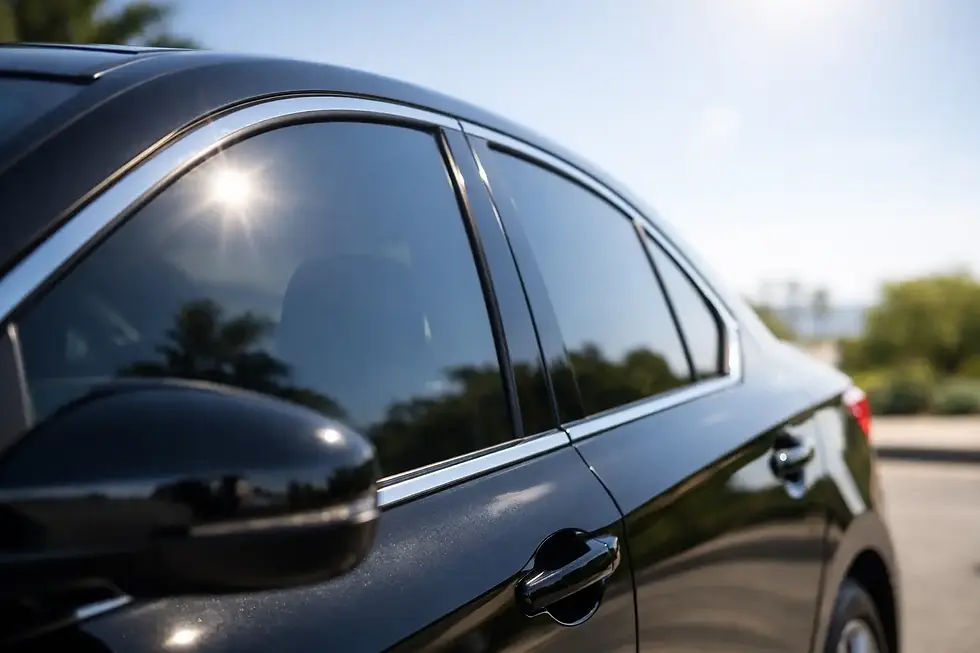
The right choice is rarely the darkest film available. For most families, the best result is a balanced rear-window tint: dark enough to reduce glare and heat, but practical enough to keep rear visibility comfortable when parking, reversing and driving after dark.
What makes the best tint for family cars?
Family motoring calls for a tint that improves day-to-day comfort without creating new compromises. A quality film fitted to the rear side windows and rear screen can cut the intensity of direct sunlight where children usually sit. That means fewer complaints about dazzling sun on a car seat, less heat building up after the car has been parked, and a more relaxed journey when the sun is low.
It also helps shield the cabin from ultraviolet exposure. While no window tint replaces sun cream or sensible sun protection outdoors, premium automotive film can reduce UV reaching the interior. This helps protect passengers and slows the fading and ageing of seats, door cards and trim - particularly useful if your car has leather, light-coloured upholstery or a panoramic-feeling cabin with lots of glass.
Privacy matters too. A rear tint makes bags, pushchairs, shopping and children’s belongings less visible from outside. It is not a security guarantee, so valuables should never be left on display, but it does make a quick glance into the vehicle less revealing.
The sweet spot: medium or dark rear tint?
For many family vehicles, a medium-to-dark tint is the most sensible choice. It delivers a noticeable improvement in comfort and privacy while retaining useful visibility through the rear windows. This is especially valuable on dark winter afternoons, in heavy rain and when manoeuvring on an unlit drive.
A lighter rear tint suits drivers who want a subtle, factory-style appearance and prioritise maximum visibility. It can still reduce glare and UV exposure, although the cooling and privacy effect will be less dramatic. This is a strong option for estate cars, MPVs and SUVs with already-tinted glass, where the aim is to deepen the look rather than make a dramatic change.
A darker rear tint creates the biggest visual transformation and is popular with parents whose children travel in the rear every day. It is particularly effective on larger SUVs, people carriers and executive saloons, where it can give the car a more refined, private appearance. The trade-off is reduced visibility through the rear glass at night. If you regularly reverse in poorly lit areas, rely heavily on your interior mirror or do a lot of evening driving, avoid going darker than you are comfortable with.
The ideal shade also depends on the vehicle. A black or dark-grey SUV can carry a darker tint beautifully, while a light-coloured family hatchback may look more natural with a medium shade. An experienced installer can recommend a finish that complements the factory glass, trim and body colour rather than looking like an afterthought.
Do not choose by darkness alone
Tint is often discussed in terms of how dark it looks, but premium film quality matters just as much. Cheaper film can discolour, turn purple, bubble at the edges or lose clarity over time. It may also offer less effective heat rejection than a properly engineered film that appears similar from the outside.
For a family car, look beyond the shade and consider optical clarity, UV protection, heat reduction and durability. A film should look crisp from both sides of the glass, with clean edges and no distortion. The best installations enhance the vehicle without obstructing your view of the world outside.
UK window tint law: where family drivers need care
In the UK, the legal limits on front glass are strict. The front windscreen must let through at least 75% of light, while the front side windows must let through at least 70% of light for most modern cars. Factory glass may already reduce the amount of light passing through, so adding any film to these areas can make the vehicle illegal.
Rear side windows and the rear windscreen can generally be tinted more darkly, which is why this is the practical area to focus on for family comfort and privacy. The exact suitability can still depend on the vehicle, its existing glass and the proposed film, so it is worth getting professional advice before choosing a shade.
A quality installer should never encourage a finish that puts you at risk of failing a roadside check, receiving a prohibition notice or having to remove the film. The premium look is only worthwhile when it is properly considered and legally appropriate.
Why heat rejection changes family journeys
On a bright day, sunlight through untreated rear glass can make the back of the car feel far warmer than the front. Air conditioning helps, but it has to work harder, and it does not stop direct glare on your child’s face or a hot seat belt buckle.
Quality tint helps manage solar heat before it enters the cabin. The difference is most noticeable when the car has been parked in direct sun, but it also improves comfort during longer journeys. Parents often find that rear-seat passengers settle more easily when they are not squinting, overheating or repeatedly pulling down a flimsy sunshade.
Tinted rear windows can be a cleaner alternative to removable shades too. Suction cups fail, fabric shades can obscure the driver’s view in the mirror, and children have a talent for pulling them down at precisely the wrong moment. Professionally fitted film is neat, permanent and evenly covers the full glass area.
Match the tint to how your family uses the car
There is no single shade that suits every household. If your car is mainly used for daytime school runs and family holidays, a darker rear tint may be the most rewarding choice. If it spends much of its time on country lanes, in multi-storey car parks or on evening commutes, a medium finish may give you greater confidence when reversing.
Consider your camera and parking sensors as helpful support rather than a reason to choose a shade you cannot see through comfortably. Cameras can become dirty in bad weather, and sensors cannot show every detail around the car. Your own clear view still matters.
Think about the ages of your passengers as well. Babies and toddlers in rear-facing seats can be particularly exposed to side-window sunlight. Older children may appreciate the privacy and reduced glare on longer trips. In either case, a well-chosen tint makes the rear of the car feel more considered and comfortable.
Professional fitting protects the finish
A family car deserves an installation that looks as good in two years as it does on collection day. The quality of the preparation, film and fitting technique determines whether the tint sits neatly around seals and edges, without contamination, lifting or unsightly bubbles.
Mobile installation makes this upgrade easier to fit around a busy diary. Rather than losing time travelling to a workshop, LuxTint brings professional tinting to your home, workplace or chosen location across the West Midlands and North West. Premium Global Film, careful installation and a lifetime warranty give families confidence that the finish is built to last.
Before booking, make sure there is enough space around the vehicle for the installer to work safely and that the glass can be cleaned and prepared properly. A covered, dry location is ideal where possible, particularly in unpredictable British weather.
A better view from the back seat
The best family-car tint is the one that makes every journey easier without making driving harder. Choose a legally suitable rear tint with strong UV and heat-rejection performance, clear optics and a shade that feels comfortable after dark. You will gain a cooler, more private cabin and a more polished vehicle - while the people in the back get a calmer place to travel.


Comments