
Onsite Automotive Window Tinting at Your Door
- jai ramah
- Aug 29
- 5 min read

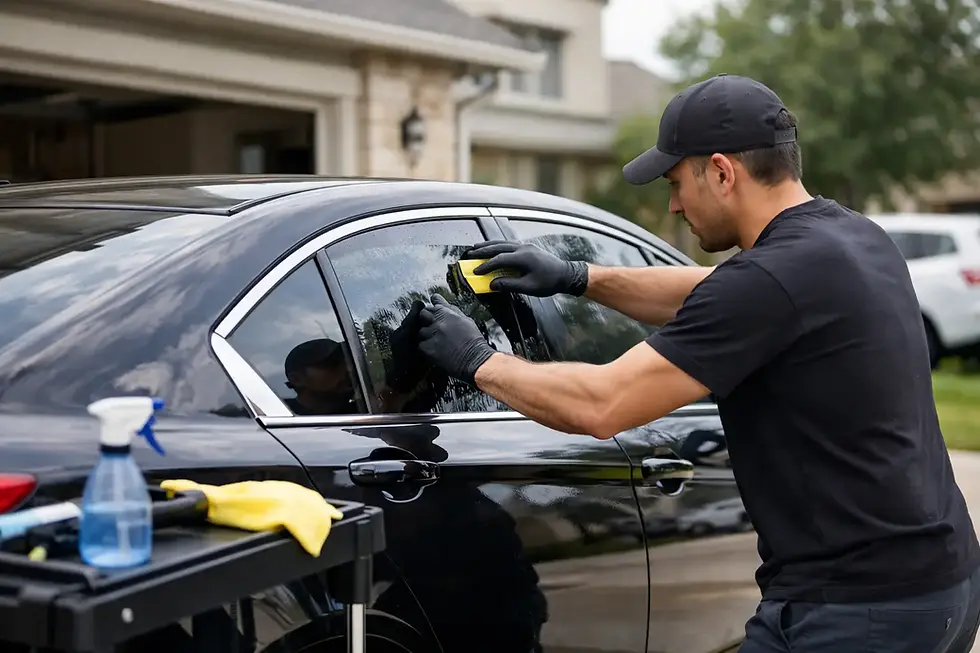
Your car should not need to spend a day at a tint shop to look sharper, feel cooler and offer more privacy. On-site automotive window tinting brings a premium installation to your home, workplace or another suitable location, so the upgrade fits around your life rather than interrupting it.
For drivers across the West Midlands and North West, that convenience is more than a nice extra. It means no arranging lifts, no waiting around in an unfamiliar reception area and no losing valuable weekend time. A skilled mobile technician arrives with the equipment, film and experience needed to transform your vehicle where it is parked.
Why choose onsite automotive window tinting?
Window tinting changes the look of a vehicle quickly, but its value goes well beyond appearance. The right film gives the glass a clean, factory-style finish while helping reduce glare, manage heat and shield the cabin from harmful UV exposure.
That matters on bright days, particularly when your car has been sitting on a drive or workplace car park. Tinted rear glass can make the cabin feel more comfortable for passengers and can reduce the harsh sunlight that fades upholstery, dries leather and affects interior trim over time. It also creates a greater sense of privacy when bags, child seats or work equipment are left in the rear of the vehicle.
The mobile approach adds another important benefit: your time stays yours. Instead of driving to a workshop, waiting for the installation and travelling home again, you can carry on working, manage family life or simply relax while the job is completed nearby.
A premium result still depends on preparation
Mobile does not mean rushed. A professional onsite installation should follow the same careful standards you would expect from a quality workshop service. The technician assesses the glass, cleans and prepares each window, precisely cuts or templates the film, then applies it with controlled technique to avoid contamination, creases and unnecessary handling.
The location does make a difference. A sheltered, clean and reasonably dry area is ideal, such as a garage, carport or protected parking space. Open car parks can also work well in suitable weather. Heavy rain, high winds, airborne dust or very low temperatures may affect the quality of an installation, so a reputable installer will be honest if conditions mean the appointment should be rearranged.
That is not an inconvenience - it is quality control. Great tinting is defined by the finish you see every day, especially around the edges and rear screen.
What a mobile tint appointment looks like
A well-organised appointment begins before the technician arrives. You will normally confirm your vehicle, the windows you want tinted, your preferred shade and the address. If you are unsure about the shade, think about how you use the car as well as how you want it to look. A darker rear tint creates a more private, executive appearance, while a lighter option may suit drivers who want a subtle enhancement with improved comfort.
On arrival, the technician checks the vehicle and work area before beginning. The glass is thoroughly cleaned, because even a small amount of dirt can compromise the finish. Film is then measured and shaped for each window. Rear screens require particular care due to their curve and, in many vehicles, the presence of heating elements.
Once installed, the film needs time to cure. During this period, it is normal to see a light haze or small moisture pockets beneath the film. These usually disappear as the application solution dries. Depending on the weather and film type, curing can take several days or longer. You should avoid winding down the tinted windows until advised that it is safe to do so.
A professional service should leave you with clear aftercare guidance, not uncertainty. That includes when to use the windows again, how to clean the glass and what to expect while the film settles.
Choosing the right shade for your car
There is no single best tint shade. The right choice depends on the vehicle, your priorities and the look you want to achieve.
For many hatchbacks, estates and SUVs, a medium-to-dark tint on the rear windows gives a confident finish without making the vehicle look overdone. It can also be a practical choice for families, offering more shade for passengers in the back. Executive saloons and company cars often suit a refined dark rear tint that complements privacy glass and darker trim details.
If your priority is reducing the feeling of direct sunlight, premium film quality matters as much as the darkness of the tint. A darker film changes visible light transmission, but high-quality film can also support heat and UV management without relying solely on the darkest available shade.
Avoid choosing purely from a photo online. Paint colour, interior trim, factory privacy glass and the design of the rear quarter windows can all change how a shade looks in real life. An experienced installer can help you choose a finish that suits your specific vehicle rather than applying a one-size-fits-all recommendation.
Stay within UK tinting rules
A premium finish should always be legal as well as stylish. In Great Britain, the windscreen must allow at least 75% of light through, while front side windows must allow at least 70% of light through. This means aftermarket tinting on front windows is heavily restricted and can make a vehicle non-compliant if the existing glass already blocks some light.
Rear passenger windows and the rear windscreen are not subject to the same visible light transmission limits for most cars, which is why rear-only tinting is the standard choice. A knowledgeable installer will advise on a legal, practical setup rather than sell an unsuitable tint for the front of your vehicle.
Why premium film and workmanship matter
Not all tint films age in the same way. Cheaper products can fade towards purple, bubble at the edges, shrink or lose adhesion. They may look acceptable initially, then undermine the appearance of the car within a short period.
Premium film is designed for stable colour, optical clarity and long-term performance. Combined with correct preparation and installation, it gives your glass a uniform finish that looks intentional rather than added as an afterthought. It should also be backed by a meaningful warranty, giving you confidence that the service is built to last.
Workmanship is equally important. The film needs to sit neatly against the glass, with clean edges and no distracting debris trapped beneath it. This is particularly visible on light-coloured cars, vehicles with large panoramic rear glass and any car with frameless windows. The difference between an average installation and an excellent one is often found in those small details.
Is mobile tinting right for every vehicle?
Most cars are well suited to mobile tinting, from compact city cars to prestige saloons, SUVs and vans. The key consideration is access. The technician needs enough room to work safely around the vehicle and a setting that protects the installation from poor weather and contamination.
If you live in a flat with only roadside parking, or your workplace car park is exposed and busy, an appointment may need a little more planning. A covered area at a family member's home, a quiet corner of a workplace site or a sheltered private space can make all the difference. Being upfront about the location helps your installer plan properly and protect the standard of the final result.
For drivers who value their time and expect their car to look its best, LuxTint brings the luxury of professional window tinting to the place that works for you. The result is a more refined cabin, a sharper exterior and an upgrade you can enjoy every time you walk back to your car.
Choose the shade with care, allow the film time to cure and insist on skilled installation. Done properly, window tinting is not just a cosmetic change - it is a practical finishing touch that makes every journey feel more considered.


Comments