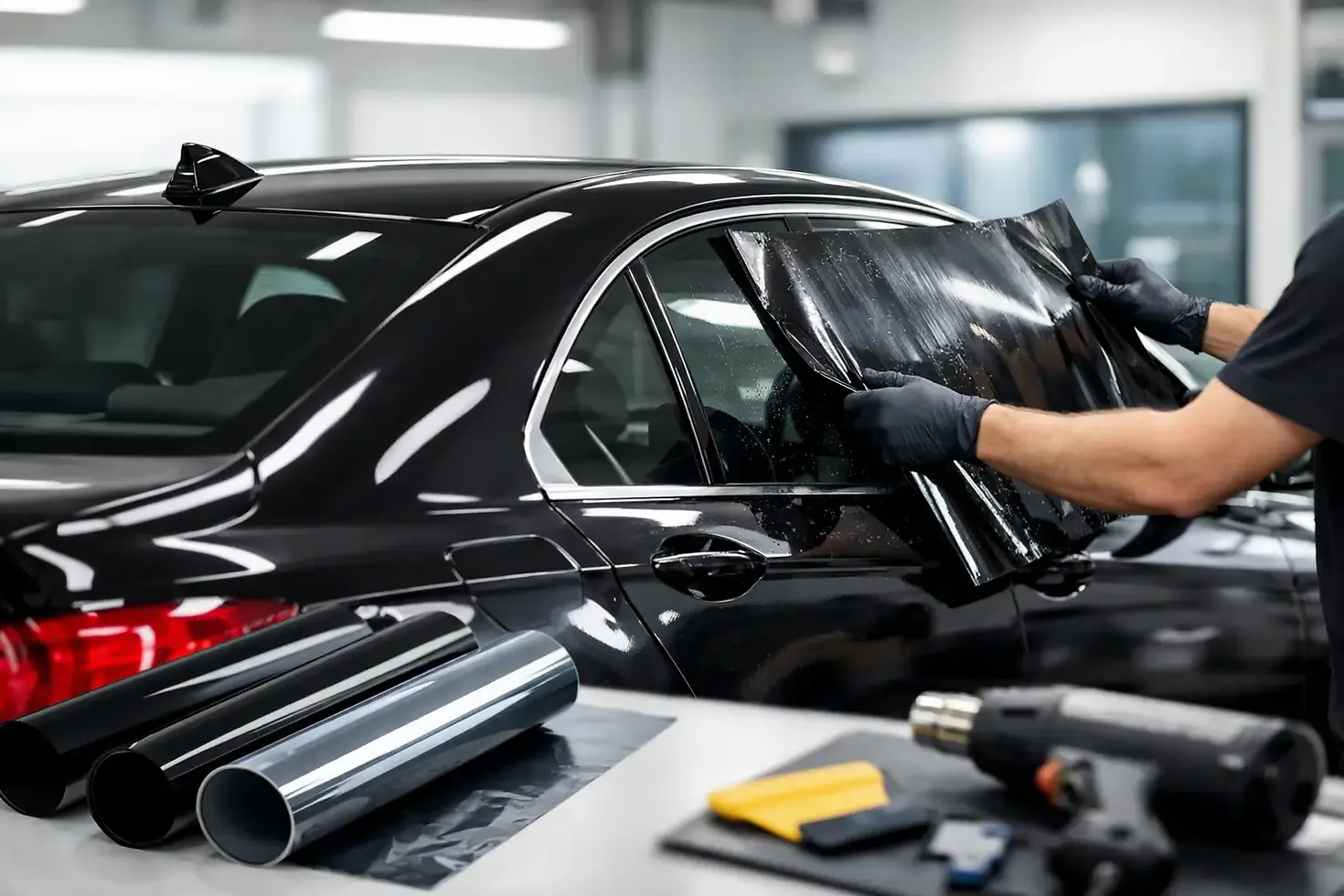
Best Premium Tint Film Brands for UK Cars

A premium tint can make a car feel noticeably more private, cooler and more considered before you have even turned the key. But the best premium tint film brands are not simply the ones with the darkest finish or the biggest name. The right choice depends on your glass, the look you want, how much heat you want to reject, and whether the film is installed with the care a high-end result demands.
For drivers across the West Midlands and North West, tinting is often about more than appearance. It is about making school runs more comfortable, reducing glare on long motorway journeys, helping protect leather and trim, and giving the car a sharper presence on the drive or outside the office. Here is what separates premium film from a cheaper alternative and which brands are worth knowing.
What makes a tint film genuinely premium?
Premium window film is engineered for clarity, durability and consistent performance. A quality film should sit cleanly against the glass, hold its colour, resist peeling and bubbling, and provide measurable protection from UV radiation. It should also look refined from both inside and outside the vehicle, without the hazy view, purple fade or overly reflective finish sometimes associated with low-cost film.
The material matters. Dyed films can create a darker look at a lower price, but they generally offer more limited heat rejection and may fade over time. Metallic films can reduce heat effectively, although some may interfere with radio, mobile or keyless-entry signals. Ceramic film is usually the premium choice for drivers who want strong solar control without compromising signal performance. It uses non-metallic ceramic particles to reject infrared heat while retaining excellent visibility.
A respected brand is a strong starting point, but film range matters just as much as the logo on the box. Most leading manufacturers produce several grades, from entry-level dyed products to advanced ceramic options. Comparing one brand's basic film with another brand's top ceramic range is not a fair test.
The best premium tint film brands to consider
Global Window Films
Global Window Films is a well-regarded name in professional automotive tinting and a strong choice for motorists who want a polished finish with reliable everyday performance. Its range includes colour-stable films and higher-performance options designed to improve comfort, privacy and UV protection without making the cabin feel closed in.
Global is particularly appealing where the goal is a factory-style transformation rather than an exaggerated look. A carefully selected shade can add definition to the rear glass while maintaining a clean, luxurious appearance. At LuxTint, Global Film is used for its premium quality, dependable finish and lifetime warranty support when installed professionally.
LLumar
LLumar has a long-standing reputation in the automotive film market. Its premium lines are known for optical clarity, solar performance and a broad choice of shades. It is often a sensible option for drivers who want a recognised manufacturer with products suited to both subtle rear privacy tinting and higher heat-rejection requirements.
The key is selecting the correct range. LLumar's ceramic and infrared-rejecting films offer a noticeable comfort upgrade, particularly in cars with large glass areas, panoramic roofs or dark interiors that absorb heat. Their higher specification comes at a higher cost, so it makes most sense for drivers who value cooler summer journeys and long-term interior protection.
SunTek
SunTek is another established premium brand with films that can deliver a deep, even finish and strong solar control. Its ceramic options are widely considered for their heat rejection, signal-friendly construction and natural view from inside the vehicle.
For a daily driver, SunTek can be an excellent balance of appearance and practical comfort. However, availability and the specific installer warranty can vary. The film itself is only one part of the experience, so ask which series is being fitted rather than relying on the brand name alone.
3M Automotive Window Film
3M is one of the most recognisable names in vehicle protection products, and its automotive window film ranges are frequently chosen by owners who want advanced technology from a familiar manufacturer. Its ceramic films are designed to reject solar heat and block UV while preserving visibility and avoiding the signal issues associated with some metal-based products.
This is often a strong route for prestige vehicles, electric cars and vehicles with extensive in-car technology. The trade-off is price. A 3M ceramic installation can sit at the upper end of the market, and the benefit will be most worthwhile when paired with precise installation and the right shade selection.
XPEL
XPEL is best known for paint protection film, but it also offers automotive window films, including ceramic options. It tends to appeal to owners already investing in high-quality vehicle protection, whether that is on a performance car, a premium SUV or a cherished weekend vehicle.
The attraction is a protection-led approach. A suitable XPEL film can help reduce cabin heat, filter UV exposure and complement other detailing work without changing the character of the car. As with every premium manufacturer, check the exact product line and its performance figures, not just the badge.
STEK and other specialist ceramic options
Specialist brands such as STEK have also earned attention among enthusiasts and detailing-focused owners. These films can offer excellent infrared rejection and a high-quality appearance, especially where the customer wants a technically advanced ceramic product.
They may not be the most practical choice in every situation. Local availability, installer familiarity and warranty arrangements should all influence the decision. A film that looks outstanding on paper is less valuable if it is not fitted by someone who knows its handling characteristics and finishing requirements.
Brand matters, but installation matters more
Even the finest film can look disappointing if it is rushed. Clean glass preparation, accurate computer cutting or careful hand trimming, neat edges and correct curing are what create the finish people associate with premium tinting. Small errors become very visible around window seals, heated rear-screen lines and curved rear glass.
A professional installer should also guide you through shade selection rather than simply offering the darkest option. A medium rear tint can look elegant and provide meaningful privacy, while a darker option may suit drivers who carry tools, equipment or valuables in the rear. Heat-rejecting ceramic film may be the better investment if comfort is your priority, even in a lighter shade.
Mobile installation does not mean compromising on standards. The right technician brings the preparation, tools and attention to detail to complete the work at your home, workplace or chosen location. That means you can transform your car without giving up a day travelling to a tint shop or waiting in a reception area.
Choosing the right shade legally in the UK
A premium finish must also be road legal. In Great Britain, the front windscreen must allow at least 75% of light through, while the front side windows must allow at least 70%. Because factory glass already absorbs some light, adding film to the front windows can easily take a vehicle below the legal limit.
For that reason, most automotive tinting focuses on the rear side windows and rear screen. This still delivers the visual balance, privacy and heat reduction many drivers want, while avoiding unnecessary legal risk. Rear windows do not have the same light-transmission restrictions, although an installer should still help you select a shade that is safe and practical for reversing, night driving and your parking environment.
Avoid anyone who promises a very dark front tint without discussing light transmission. A premium service protects your car and your peace of mind, not just its appearance.
Questions to ask before choosing a film
Before booking, ask which specific film series will be installed, whether it is dyed, metallic or ceramic, and what the warranty covers. It is also worth asking about heat rejection, UV filtering and whether the quoted shade is measured after installation or refers only to the film itself.
Photographs of completed vehicles can be useful, but see them as inspiration rather than a guarantee. The same shade can look different on a black saloon, a white SUV and a car with factory privacy glass. Your vehicle's glass colour, interior trim and surrounding light all affect the final result.
Finally, be clear about what you value most. If your priority is a richer appearance and privacy, a high-quality colour-stable rear film may be ideal. If you spend long hours driving, carry children or regularly return to a sun-heated car, ceramic heat rejection is likely to justify the additional investment.
The best choice is the film that looks right on your car, performs for the way you use it and is fitted with uncompromising care. Choose quality over a quick bargain, and every journey will feel a little more comfortable, private and refined.


Comments