
Precut Tint vs Hand Cut for a Premium Finish
- jai ramah
- Aug 27
- 5 min read

A window tint can transform the look and feel of your car, but the installation method matters just as much as the film itself. When comparing precut tint vs hand cut, the real question is not which method sounds more premium. It is which approach gives your particular vehicle the cleanest edges, safest process and most refined finished appearance.
For drivers who care about sharp styling, privacy and long-term quality, the answer is rarely as simple as choosing one method for every window. A skilled installer may use precision-cut patterns for some glass and hands-on techniques for others, especially on complex rear screens. What matters is the workmanship behind the choice.
Precut Tint vs Hand Cut: What Is the Difference?
Precut tint is produced using a plotter and vehicle-specific software. The installer selects the make, model and year of the car, then the machine cuts film to a pattern designed for that piece of glass. The tint arrives ready to fit, with the shape, curves and edges already mapped out.
Hand-cut tint is measured and shaped by the installer. Film is normally placed on the outside of the glass to create the pattern, then cut, heat-formed where needed and installed on the inside. It is a traditional skill that relies on a steady hand, accurate judgement and plenty of experience with different vehicle designs.
Neither approach automatically guarantees a better result. A poor precut pattern can leave an uneven gap, while rushed hand cutting can look untidy. Equally, an excellent technician can produce a factory-style finish with either method. The key difference is how each process handles accuracy, vehicle variation and risk around the glass.
Why Precut Tint Appeals to Premium Car Owners
A quality precut system is built around consistency. Because the film is cut before it reaches the vehicle, there is no need to run a blade across the glass during the pattern-making stage. That is particularly reassuring for owners of newer cars, vehicles with delicate trim, and anyone who wants their installation completed with the least possible intervention.
Precut patterns can also make an on-site appointment more efficient. When a technician arrives at your home or workplace with the correct patterns prepared, there is less measuring and less margin for avoidable cutting errors. For a busy professional or family, that means less disruption without compromising on the transformation you want.
The most noticeable benefit is often at the edge of the window. Good plotter patterns are designed to follow the shape of the glass precisely, creating a neat, uniform border. On doors with straightforward glass, this can deliver an exceptionally clean result.
There are limits, however. Vehicle databases are only as accurate as the pattern they contain. A car may have had replacement glass, slightly different trim, or a production variation that does not match the template perfectly. A professional installer checks every pattern against the car rather than assuming the software has done all the work.
Where Hand-Cut Tint Still Has Its Place
Hand cutting gives an experienced installer the freedom to respond to the vehicle in front of them. If a window has an unusual curve, a non-standard edge or trim that sits differently from the usual pattern, custom cutting can create a more tailored fit than forcing a generic template to work.
This is particularly relevant on older cars, imported vehicles, rare models and glass that has previously been replaced. It can also be useful when a customer wants a specific edge finish that sits close to, but safely clear of, seals and dot-matrix areas.
Rear windscreens are where skill becomes especially visible. Many rear screens need heat shrinking so the film can follow a compound curve without fingers, creases or distortion. Even when a rear piece starts as a precut pattern, successful installation still depends on manual shaping, heat control and careful handling around demister lines.
Hand-cut work should not be confused with rough, improvised work. Done properly, it is a controlled process by a technician who understands how film behaves, where to cut and how to protect the vehicle. The problem is not hand cutting itself. The problem is inexperience.
Fit and Finish Depend on More Than the Cutting Method
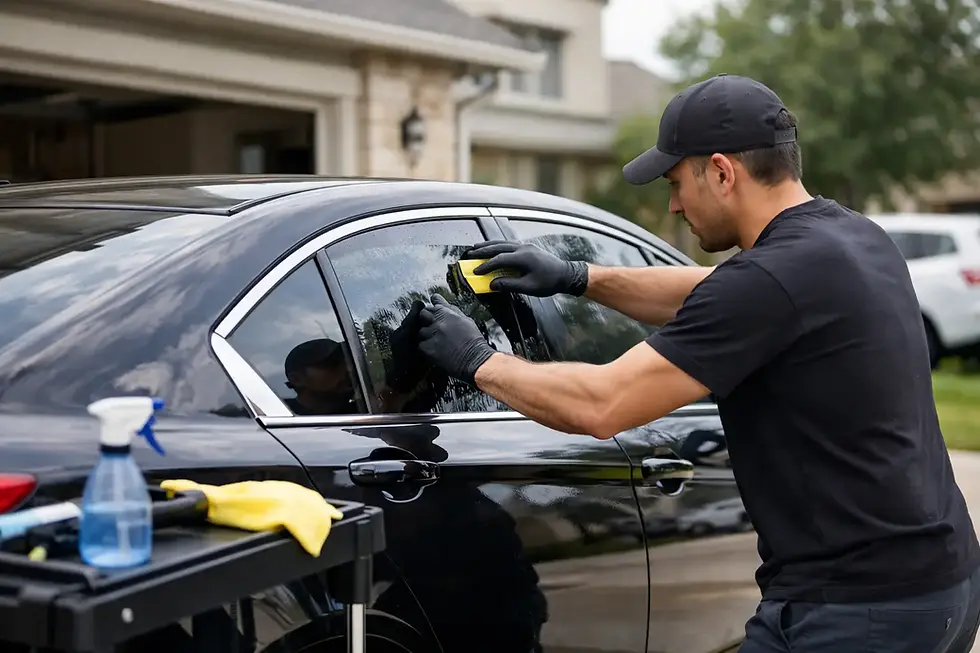
The debate around precut tint vs hand cut can distract from the factors that drivers will actually see after the job is complete. A premium finish comes from clean preparation, accurate installation, correct heat forming and attention to every edge.
A window must be thoroughly cleaned before film is applied. Even a tiny fibre, dust particle or trace of contamination can become visible beneath the tint. The installer also needs to manage water carefully around door cards, switches and speakers, especially when working at a customer’s location.
Film choice matters too. Premium window film should have reliable colour stability, heat rejection and UV protection, not simply a dark appearance on day one. Cheap film can fade, turn purple, lift at the edges or develop an inconsistent finish. The cleanest cut in the world will not compensate for poor-quality material.
Then there is the settling period. Fresh tint needs time to cure, and small water pockets or a slightly hazy appearance can be normal at first. A professional installer will explain what to expect, how long curing may take and when to contact them if anything does not look right.
The Practical Trade-Offs
If preserving the glass from on-window cutting is your main priority, precut patterns offer a clear advantage. They are also ideal for popular, modern vehicles where the template has been refined and is known to fit well.
If your car has unusual glass, modified trim or a pattern that needs adapting, hand-cutting expertise can be the better option. The ability to make careful adjustments on the spot can prevent an obvious gap or an edge that does not sit naturally with the window frame.
For most customers, the best installation is not about insisting on one technique. It is about choosing a technician who has both options available and knows when each one is appropriate. A one-size-fits-all approach is rarely the luxury option.
UK Legal Tint Limits Must Come First
Appearance and privacy are important, but legal compliance is non-negotiable. In the UK, the windscreen must allow at least 75% of light through, while front side windows must allow at least 70%. Rear side windows and the rear windscreen can be tinted darker, subject to the vehicle being safe to drive.
Factory glass is often already slightly tinted, so the finished result depends on the combined light transmission of the glass and film. This is why selecting a film shade by appearance alone can create a problem on front windows. A reputable installer should check the light transmission and advise on a compliant option before fitting.
For many cars, a tasteful rear tint delivers the desired privacy, cooler cabin and sharper profile while keeping the front glass legal and practical for night driving. It is a balanced look that feels premium rather than overdone.
Choosing the Right Installer for Your Car
Ask how the installer approaches your specific make and model rather than asking only whether they use precut or hand-cut film. Their answer should cover the film quality, the condition of your glass, the intended shade, the complexity of the rear screen and how they will achieve a clean edge finish.
It is also worth asking about warranty cover. A lifetime warranty gives meaningful reassurance when it is backed by recognised premium film and skilled installation. You want the confidence that your tint will continue looking as refined after years of daily use as it does on installation day.
For mobile appointments, preparation matters. A good technician will need suitable access around the vehicle, a clean working area and enough room to open doors safely. The result is professional window tinting delivered at home or work, without losing a day travelling to a workshop.
LuxTint approaches every vehicle as an individual installation, using premium film and the method that best protects the car while delivering the finish you expect. The right tint should look like it belongs on the vehicle from the moment you step back and see it in the light.


Comments